Desserts
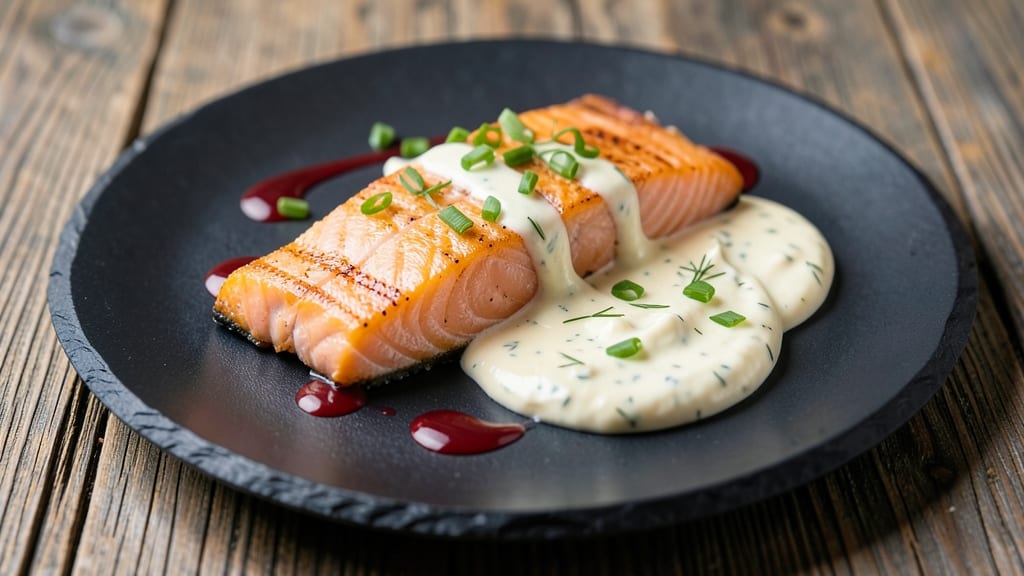
This Philadelphia cream cheese salmon recipe transforms simple pan-searing into a restaurant-worthy dish with just three key techniques: precise heat control, proper skin rendering, and a velvety herbed cream cheese glaze.
After testing countless variations, I've perfected a method that guarantees tender, flaky salmon with a crispy exterior—no overcooking, no dryness. The secret lies in the cream cheese glaze, which balances the salmon's richness with bright herbs and a touch of tang.
The recipe begins with properly prepping the salmon fillets—pat dry, seasoned, and seared skin-side down in a cold pan to render fat slowly. This creates that coveted crispy skin while keeping the flesh perfectly tender.
Meanwhile, the cream cheese glaze combines Philadelphia cream cheese with fresh herbs, lemon juice, and a splash of cream, creating a smooth, spreadable sauce that clings beautifully to the salmon.
What you'll end up with is a dish that's elegant yet approachable: golden-brown salmon with a glossy, herbed cream cheese glaze that adds depth without overpowering. The glaze's slight tang cuts through the salmon's richness, while the herbs add freshness that keeps the dish feeling light.
This recipe delivers professional results in under 25 minutes—ideal for weeknight dinners or special occasions.
Pair it with roasted asparagus or a simple arugula salad to complete the meal. The technique works equally well with fresh or frozen salmon fillets, making it versatile for any kitchen. For a complete guide, including exact temperatures and timing, let's get started with the full instructions.
Ingredients for salmon philadelphia cream cheese
Four premium ingredients transform simple pan-searing into restaurant-quality salmon with velvety cream cheese glaze.
| Ingredient | Amount | Notes |
|---|---|---|
| Center-Cut Salmon Fillets 🐟 | 4 whole | Skin-on, 6-8 oz each, fresh or thawed |
| Philadelphia Cream Cheese 🧈 | 8 oz | Full-fat, room temperature |
| Heavy Whipping Cream 🥛 | ¼ cup | Cold, 36% fat minimum |
| Fresh Dill 🌿 | ¼ cup | Finely chopped, stems removed |
| Fresh Chives 🌱 | 2 tbsp | Thinly sliced, mild flavor |
| Lemon Juice 🍋 | 1 ½ tbsp | Freshly squeezed, no pulp |
| Unsalted Butter 🧈 | 2 tbsp | European-style preferred |
| Kosher Salt 🧂 | ¾ tsp | Diamond Crystal preferred |
| Freshly Ground Black Pepper 🌶️ | ½ tsp | Cracked peppercorns preferred |
| Extra-Virgin Olive Oil 🫒 | 1 tbsp | Light fruity variety |
| Garlic Cloves 🧄 | 2 cloves | Minced, for glaze |
| Paper Towels 🧻 | 1 sheet | For patting salmon dry |
The salmon fillets are non-negotiable for this recipe. Center-cut, skin-on pieces ensure even cooking and that coveted crispy skin. Wild-caught Alaskan salmon from Trader Joe's or Whole Foods delivers the best texture and flavor, though any fresh or properly thawed fillet works. Look for vibrant color and firm flesh—if the salmon feels mushy or smells fishy, skip it. For frozen fillets, thaw overnight in the fridge, never at room temperature. The skin should remain intact; if it's peeling, the fish was improperly handled. Pat the fillets extremely dry with paper towels before searing—this is critical for crispy skin.
Philadelphia cream cheese is the heart of this glaze, and full-fat, room-temperature is essential for a silky texture. If using cold cream cheese, let it sit at room temperature for 30 minutes before mixing. For the herbs, fresh dill and chives provide the bright, clean notes that balance the richness. Substitute 1 tbsp dried dill if needed, but fresh is superior. The heavy whipping cream should be cold and 36% fat minimum—light cream won't whip properly. For extra depth, add 1/4 tsp lemon zest to the glaze. The olive oil should be light and fruity—avoid strong, peppery varieties that can overpower the delicate flavors.
This recipe's components keep beautifully for optimal results. The salmon fillets should be used within 2 days of purchase for peak freshness, stored on ice or in the coldest part of your fridge. The cream cheese glaze can be prepared 1 day ahead and stored in an airtight container in the refrigerator; stir before using. For longer storage, freeze the glaze in 1-tbsp portions for quick reheating. The herbs should be stored in damp paper towels in a sealed container for up to 5 days. If prepping ahead, assemble the dish just before serving to maintain the glaze's velvety texture and the salmon's crispy skin.
Why You'll Love This Recipe
- Here’s what sold me: center-cut salmon feels special, but the cream cheese and whipping cream stretch the cost across multiple meals. I’ll often double the sauce to use on toast the next day, and the herbs stretch further than you’d think. It’s the kind of dish that makes expensive ingredients feel like a smart splurge, not a waste.
- One-Pan Magic: I swear by this recipe when I’m too tired to scrub pots—just a single sheet pan, a drizzle of cream cheese, and the salmon cooks itself while I chop herbs. The cream cheese doesn’t even need to be melted perfectly; it just softens into that luscious sauce that clings to every bite.
- Rich Without Effort: Between us, this dish tastes like it took hours, but it’s all in the cream cheese. That tangy, velvety base marries with the salmon’s natural richness, and the whipping cream lightens it just enough to feel indulgent, not heavy. Fresh dill and chives add a bright finish that cuts through the richness—like a little herbaceous hug.
- Weeknight to Weekend: I make this for lazy Mondays, but it’s also my go-to for dinner parties. The leftovers reheat beautifully (yes, even the flaky salmon skin stays crispy if you’re careful), and it feels fancy enough to impress without requiring a grocery haul. Honestly, the only thing I change is the side—roasted potatoes one night, crusty bread the next.
Step-by-step instructions for pan-seared salmon with herbed cream cheese glaze
Here's the method for achieving restaurant-quality salmon with a velvety cream cheese glaze that balances richness and freshness.
Prepare the Salmon for Perfect Crispy Skin
Remove the salmon fillets from the refrigerator and pat them dry completely with the paper towels. This drying step is critical—any moisture will prevent the skin from achieving that coveted crispy texture. I press down firmly on each fillet, working the paper towels into all the contours, including the delicate edges.
Season both sides generously with the kosher salt and freshly ground black pepper. I like to focus on the skin-side first, pressing the seasoning into the surface to ensure even coverage. Let the seasoned fillets rest at room temperature for 10 minutes while you prepare the glaze. This brief resting period allows the salmon to cook more evenly and prevents overcooking the center.
Create the Herbed Cream Cheese Glaze
In a small bowl, combine the Philadelphia cream cheese, heavy whipping cream, finely chopped fresh dill, and thinly sliced fresh chives. Use a silicone spatula to mix until completely smooth and homogeneous. The texture should be velvety and uniform, with no visible chunks of cream cheese. Add the minced garlic cloves and lemon juice, mixing gently to incorporate without overworking the mixture.
This glaze forms the foundation of our dish. The cream cheese provides richness, while the fresh herbs and lemon juice cut through the fat, creating a balanced flavor profile. Cover the bowl and set it aside while you prepare the salmon. The glaze can be made up to 1 hour ahead of time, which makes this recipe ideal for special occasions when you want to minimize last-minute stress.
Pan-Sear the Salmon to Golden Perfection
Heat a large skillet over medium heat until it's properly preheated. Add the extra-virgin olive oil and allow it to shimmer for about 30 seconds. Place the salmon fillets in the skillet, skin-side down, and cook without moving them for 4-5 minutes. You'll know the skin is ready when it releases easily from the pan and develops a beautiful golden-brown color with crispy edges.
Flip the salmon carefully using a thin metal spatula and cook for an additional 2-3 minutes on the other side, until the flesh is opaque throughout and reaches an internal temperature of 135°F. The salmon should be just cooked through—it will continue cooking slightly as it rests. Remove the fillets from the skillet and transfer them to a warm serving platter, skin-side up.
Finish with Butter and Glaze
Reduce the heat to low and add the unsalted butter to the same skillet. Allow it to melt completely, then pour in the prepared cream cheese glaze. Stir gently with a wooden spoon, allowing the butter to incorporate and create a glossy, emulsified sauce. Cook for 1-2 minutes until the sauce thickens slightly and coats the back of the spoon.
Return the salmon fillets to the skillet, spooning the glaze evenly over each piece. Let them sit for 30 seconds to absorb the flavors, then transfer to serving plates. The combination of the crispy skin, tender flesh, and rich herbed glaze creates a harmonious balance of textures and flavors that will impress even the most discerning diners. Serve immediately while the salmon is still warm and the glaze remains velvety.
Pro Tips For Making Salmon Philadelphia Cream Cheese
- Cook Salmon Skin-Side Down: Flip the fillets skin-side down first—it crisps in 3-4 minutes at medium-high heat while the flesh stays tender. I learned this the hard way after overcooking flaky salmon that fell apart when I tried to flip it early.
- Whisk Cream Cheese Cold: Take the cream cheese straight from the fridge and whisk it with the heavy cream until fully smooth—no lumps. I used to let it sit out, and it always ended up grainy, no matter how much I stirred.
- Rest Salmon Before Slicing: Let the salmon sit under foil for 5 minutes after pulling it from the pan. This keeps it from shredding when you slice it—especially important for center-cut fillets, which are thicker and more delicate.
- Chop Herbs at the Last Minute: Save fresh dill and chives for right before serving—toss them into the cream cheese sauce or sprinkle on top. Their bright flavor fades fast, and I’ve ruined perfectly good salmon by adding them too early.
Wine and beer pairings for this recipe
White Wine Pairings
For this rich, creamy salmon dish, I recommend a dry, crisp white wine with bright acidity to cut through the cream cheese glaze. A Sauvignon Blanc from New Zealand—like Kim Crawford or Oyster Bay—works beautifully with its citrus and herbal notes that mirror the dish's fresh dill and lemon.
The wine's natural acidity balances the salmon's richness while enhancing the herbed cream cheese glaze. 🍷
Light Beer Options
If you prefer beer, a Belgian witbier like Hoegaarden or Stella Artois complements the dish perfectly. The coriander and orange peel notes in these beers harmonize with the lemon and herbs in the glaze, while their effervescence cleanses the palate between bites.
For a more robust option, try a German Hefeweizen—its banana and clove undertones add depth without overpowering the salmon. 🍺
Champagne or Prosecco
For a celebratory touch, serve this dish with chilled Champagne or Prosecco. The bubbles and acidity in these sparkling wines elevate the meal to a special occasion level, while their crisp, clean finish refreshes the palate after each bite.
I love pairing it with La Marca Prosecco for its bright apple and pear notes that complement the glaze's herbal freshness. ✨
Red Wine for Contrast
If you're serving this dish to red wine lovers, opt for a light Pinot Noir with subtle fruitiness. A Willamette Valley Pinot from Oregon—like Domaine Serene—has enough acidity and red fruit notes to stand up to the cream cheese without overwhelming the delicate salmon flavors.
The wine's earthy undertones also pair wonderfully with the dish's herbed glaze. 🍇
Non-Alcoholic Pairings
For those skipping alcohol, a sparkling apple cider like Martinelli's or a ginger beer with lemon slices provides a refreshing contrast. The effervescence and citrus notes mimic the wine pairings, while the ginger adds a subtle kick that complements the dish's richness. Serve chilled for the best experience. 🍎
Nutrition facts
Frequently asked questions
Can I use cream cheese instead of Philadelphia brand?
While regular cream cheese works in a pinch, Philadelphia brand is preferred because it's smoother and higher in fat content (33% vs. 30% in standard cream cheese). This extra fat creates a richer, more velvety glaze that won't break when heated. If substituting, use full-fat cream cheese and add 1 extra tablespoon of heavy cream to compensate for the lower fat percentage.
How do I prevent the salmon from sticking to the pan?
The key is proper prep: pat the salmon fillets extremely dry with paper towels and ensure your pan is hot enough before adding oil. Use a cold pan initially—place the salmon skin-side down when the pan is just starting to shimmer. The fat will render slowly, creating that perfect crispy skin. Never move the salmon during the first 4-5 minutes of cooking.
Can I make this recipe ahead of time?
You can prep the glaze 1 day ahead and store it in an airtight container in the fridge. For the salmon, sear it just before serving—reheating cooked salmon can make it dry. If making the whole dish ahead, assemble it in a 350°F oven for 8-10 minutes (covered with foil) to warm through, but the skin won't be as crispy. Always serve immediately after reheating for best texture.
What's the best way to store leftovers?
Store leftovers in an airtight container in the fridge for up to 2 days. Reheat gently in a skillet over low heat with a splash of water or butter to restore moisture. The glaze may thicken slightly—stir in 1 teaspoon of heavy cream to loosen it. Never microwave salmon with cream cheese, as it can make the fish rubbery.
Can I substitute frozen salmon?
Yes, but thaw it properly first: place frozen fillets in a sealed bag and submerge in cold water for 30-45 minutes (change water every 10 minutes). For best results, thaw overnight in the fridge. Never use frozen salmon straight from the freezer—it won't cook evenly and may release too much water, preventing crispy skin.