
Side Dishes
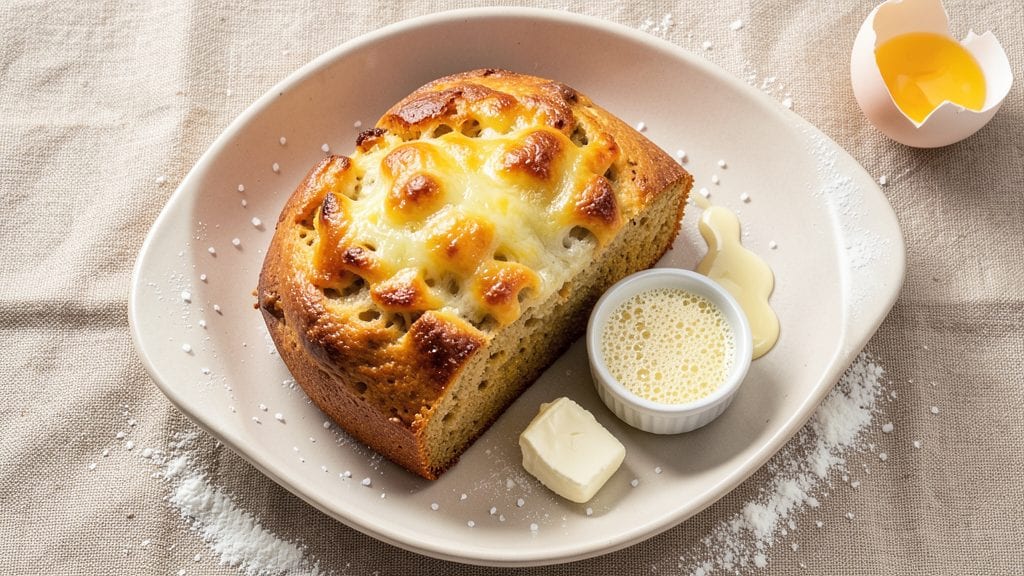
This yeast cheese bread recipe delivers the perfect combination of chewy, pull-apart crust and pockets of melted cheese that disappear in every bite. After years of perfecting the art of homemade bread, I’ve finally cracked the code for a recipe that’s both restaurant-worthy and foolproof for home bakers.
The secret lies in the dough’s elasticity and the precise timing of cheese incorporation—too early, and it melts into the dough; too late, and it doesn’t stretch properly.
What sets this recipe apart is the two-stage rise: an initial slow fermentation in the fridge for deeper flavor, followed by a quick proof to ensure that signature airy, chewy texture.
You’ll work with active yeast and warm milk to create a dough that’s light yet sturdy enough to hold its shape while baking. The result? A loaf with a golden, crackly crust that’s impossible to resist pulling apart—especially when it’s still warm from the oven.
By the time you slide this bread from the oven, you’ll have a loaf that’s golden brown on the outside, with tender, chewy layers inside and strings of melted cheese pulling at every tear.
The aroma alone will have everyone gathering around the table, and the first bite delivers that perfect balance of savory, cheesy goodness without being overly heavy. This is the kind of bread that disappears faster than you can say “second slice.”
The best part? This recipe scales effortlessly—whether you’re feeding a crowd or just craving a cheesy treat for two. Brush the warm loaf with garlic butter or sprinkle it with fresh herbs for an extra layer of flavor.
Let’s get started on making the most irresistible cheese bread you’ve ever tasted.
Ingredients for yeast cheese bread
Fourteen ingredients, two rises, and one golden loaf with melty cheese pulls you can't resist.
| Ingredient | Amount | Notes |
|---|---|---|
| Active Dry Yeast 🍞 | 2 ¼ tsp | Or 1 packet quick-rise yeast |
| Warm Whole Milk 🥛 | 1 cup | 110-115°F, not boiling |
| Granulated Sugar 🍚 | 2 tbsp | Helps yeast activate faster |
| Unsalted Butter 🧈 | ½ cup | Cold, cubed for easier mixing |
| Large Egg 🥚 | 1 whole | Room temperature preferred |
| All-Purpose Flour 🌾 | 3 ½ cups | Spooning into cup for accuracy |
| Diamond Crystal Kosher Salt 🧂 | 1 ½ tsp | Adjust to taste after kneading |
| Shredded Mozzarella Cheese 🧀 | 1 ½ cups | Low-moisture, freshly shredded |
| Shredded Cheddar Cheese 🧀 | 1 cup | Sharp or mild variety |
| Garlic Powder 🧄 | 1 tsp | For subtle garlic flavor |
| Dried Parsley Flakes 🌿 | 1 tsp | For fresh herb touch |
| Extra-Virgin Olive Oil 🫒 | 2 tbsp | For dough and brushing |
| Cornmeal 🌽 | ¼ cup | For dusting baking sheet |
The yeast is non-negotiable here—Bob's Red Mill active dry yeast is my go-to, but any brand works if it's fresh. That warm milk? 110-115°F is perfect—too hot and you kill the yeast, too cold and it won't activate. I always check the temperature with a candy thermometer. The butter matters too—cold cubes distribute better in the dough, so don't let it sit out. For the cheese, Kraft 2-year aged sharp cheddar gives the best flavor, but any good sharp cheddar works. Freshly shredded melts better than pre-shredded (which has anti-caking agents).
No yeast? Instant yeast works 1:1, but you'll need to adjust the proofing time. Running short on mozzarella? Provolone or fontina melt just as beautifully. The garlic powder can be swapped for 1/2 tsp minced fresh garlic if you're feeling fancy. For the flour, King Arthur or Gold Medal are my top picks—they've got the right protein for that perfect chewy texture. If you're gluten-sensitive, you can use a 1:1 gluten-free flour blend, but the texture won't be identical. The dried parsley flakes? Trader Joe's has the best quality for the price.
This dough is a beast—it needs time. After the first rise, pop it in the fridge for 12-24 hours for maximum flavor. The longer it ferments, the better it tastes. Once shaped, the loaf keeps 2 days at room temperature wrapped in a clean kitchen towel. For longer storage, freeze the baked loaf for up to 3 months. To reheat, wrap in foil and warm in a 350°F oven for 10 minutes. Trust me, the second day is even better.
Why You'll Love This Recipe
- No-Knead Magic: I’ll admit—this dough barely needs my help. Toss in the yeast with warm milk, let it sit while I boil water, and boom, no punishing kneading. The butter and egg create this tender crumb that’s practically foolproof.
- Cheese Pull Power: That stretchy, melty goodness? It’s all thanks to the whole milk and butter working together. The sugar caramelizes just enough to give it a subtle sweetness, but the real star is the cheese pulling apart like a dream—perfect for dipping or tearing.
- Weeknight Workhorse: Between us, this bread is my lazy dinner solution. Serve it warm with marinara for a quick meal, or let it cool for sandwiches that actually hold up. It’s the kind of thing I make when I’ve got zero energy but still want something satisfying.
- Budget-Friendly Stretch: Honestly, this recipe uses pantry staples. A little yeast, some milk, butter, and an egg—no specialty items needed. Plus, it keeps well for days, so I’m not scrambling to bake something fresh every night. My wallet (and my taste buds) thank me.
Step-by-step instructions for yeast cheese bread
This dough comes together beautifully with just a few simple steps—perfect for a chewy, pull-apart loaf with melty cheese pockets.
Activate the Yeast with Warm Milk and Sugar
In a small bowl, combine the 1 cup warm whole milk (110-115°F) with the 2 tbsp granulated sugar and 2.25 tsp active dry yeast. Stir gently and let it sit for 5-7 minutes until it becomes frothy and bubbly. This is your signal that the yeast is alive and ready to work.
If the mixture doesn’t bubble after 10 minutes, your yeast might be dead—start over with fresh yeast. The warm milk should feel comfortable to the touch, not hot. Too-hot liquid kills yeast instantly, so always check the temperature first.
Mix the Dough and Knead Until Smooth
In the bowl of a stand mixer fitted with the dough hook, combine the 3.5 cups all-purpose flour and 1.5 tsp diamond crystal kosher salt. Add the yeast mixture, 1 whole large egg, and 0.5 cup cold unsalted butter (cut into small cubes). Mix on low speed until the butter is fully incorporated.
Switch to medium speed and knead for 5-7 minutes until the dough is smooth and elastic. It should pull away from the sides of the bowl and form a soft, slightly sticky ball. If it feels too dry, add 1 tbsp warm milk at a time until it reaches the perfect consistency.
Let the Dough Rise Until Doubled in Size
Lightly grease a large bowl with 1 tbsp extra-virgin olive oil and place the dough inside. Cover with a clean kitchen towel and let it rise in a warm, draft-free spot for 1-1.5 hours, or until it has doubled in size. The dough should feel light and springy when pressed gently.
Here’s the thing—don’t rush this step. A proper rise gives you that airy, pull-apart texture. If your kitchen is cold, place the bowl near a warm oven (turned off) with a cup of boiling water to create a cozy environment for the yeast.
Shape the Dough and Add the Cheese Mixture
Punch down the risen dough to release any air bubbles, then transfer it to a lightly floured surface. Gently shape it into a 12x6-inch rectangle about 1-inch thick. In a small bowl, mix the 1.5 cups shredded mozzarella cheese, 1 cup shredded cheddar cheese, 1 tsp garlic powder, and 1 tsp dried parsley flakes. Sprinkle this mixture evenly over the dough, leaving a ½-inch border around the edges.
Carefully roll the dough into a log, sealing the edges tightly. Place it seam-side down in a greased 9x5-inch loaf pan and let it rise again for 30-45 minutes until it puffs slightly above the pan. This second rise ensures a light, airy texture with those irresistible cheese pockets.
Bake Until Golden and Internal Temp Reaches 190°F
Preheat your oven to 375°F. Brush the top of the dough with the remaining 1 tbsp extra-virgin olive oil and sprinkle with a pinch of diamond crystal kosher salt for extra flavor. Bake for 30-35 minutes until the bread is golden brown and the internal temperature reaches 190°F. The top should be crisp, and the cheese should be fully melted.
Remove from the oven and let it cool in the pan for 10 minutes before transferring to a wire rack. The bread will firm up as it cools, making it easier to slice. For the best results, serve warm with extra cheese on top—this is where the magic happens!
Pro Tips For Making Yeast Cheese Bread
- TEST THE YEAST FIRST: Pour the warm whole milk (110°F) over the yeast and sugar, then wait exactly 5 minutes—if nothing bubbles, your yeast is dead. I learned this the hard way after baking a sad, flat loaf because I assumed the packet was fresh. Skip the guesswork: toss in a pinch of flour if the mix looks too runny.
- SALT THE DOUGH BEFORE SHAPING: Mix in the salt with the butter and egg before kneading—it dissolves better and distributes evenly. My grandmother swore by this, and she was right: salty bread tastes flat if the salt hides in pockets. Yes, even if you’re impatient like me, take the extra 30 seconds to fold it in properly.
- DON’T OVER-KNEAD THE CHEESE: Once you add shredded cheese (if using), knead just until it’s incorporated—overworking it turns the dough greasy and tough. I used to push it until it looked smooth, but now I stop when the cheese melts slightly into the dough. Less effort, better texture.
- USE COLD BUTTER FOR LAYERS: Cut the unsalted butter into small cubes and chill them for 10 minutes before folding into the dough. Cold butter creates those golden, flaky layers instead of melting into a greasy mess. I was skeptical until I tried it—now I never skip this step.
Troubleshooting this recipe
Dough Too Dense?
If your dough feels heavy or refuses to rise, you likely overworked it or used too much flour. Knead only until smooth (5-7 minutes in a stand mixer) and add 1 tbsp warm milk at a time if it feels dry.
Underproofing can also cause density—ensure the dough doubles in size during the first rise (1-1.5 hours). I’ve found that King Arthur flour absorbs more moisture, so adjust accordingly.
Cheese Melting Issues
Cheese not stretching properly? The dough might be too hot when you add it. Let the shaped dough rest at room temperature for 10 minutes before sprinkling cheese. Also, use low-moisture cheeses like Kraft 2-year aged cheddar—they melt cleaner than high-moisture varieties.
If cheese leaks out during baking, reduce the amount by ¼ cup or chill the dough for 15 minutes before shaping.
Bread Collapsing
A collapsed loaf usually means the dough overproofed or the oven wasn’t hot enough. Preheat your oven to 375°F for at least 20 minutes and use an oven thermometer to confirm accuracy. For the second rise, stop when the dough puffs just above the pan—don’t let it overproof.
If it collapses in the oven, try brushing the top with 1 tbsp olive oil before baking to create a stronger crust.
Crust Too Pale
A pale crust often results from insufficient baking time or an oven that’s too cool. Bake until the internal temperature hits 190°F and the top is golden brown. For extra color, broil for 1-2 minutes at the end, watching closely to avoid burning.
I also recommend using a dark baking sheet—it absorbs more heat and promotes browning. Brush the top with 1 tbsp melted butter before baking for a richer crust.
Yeast Problems
If your dough doesn’t rise, your yeast may be dead. Always check the expiration date and store yeast in the freezer for freshness. For activation, use 110-115°F milk—too hot kills yeast, too cold delays activation.
If the mixture doesn’t bubble after 10 minutes, start fresh. Pro tip: I keep a small jar of Bob’s Red Mill yeast in my freezer for backup—it stays potent for months.
Cheese Pulls Too Weak
Weak cheese pulls usually mean the dough wasn’t elastic enough or the cheese was added too early. Knead until the dough is smooth and elastic (it should spring back when poked). For stronger pulls, roll the dough tightly into a log and seal the edges well.
If cheese doesn’t stretch, try fontina or provolone—they melt more dramatically than mozzarella. A quick fix? Brush the baked loaf with garlic butter after cooling to enhance flavor and texture.
Nutrition facts
Frequently asked questions
Can I make this cheese bread without a stand mixer?
This dough works perfectly by hand. After mixing the ingredients in a large bowl, turn the dough out onto a lightly floured surface and knead for 8-10 minutes until smooth and elastic. You'll know it's ready when it springs back when poked. Just be prepared to work it a little longer than with a mixer.
What's the best way to store leftover cheese bread?
Wrap the cooled loaf tightly in plastic wrap or aluminum foil and store at room temperature for up to 2 days. For longer storage, freeze the bread for up to 3 months. To reheat, wrap in foil and warm in a 350°F oven for 10-15 minutes until heated through. The texture stays best when reheated gently.
Can I add other cheeses to this recipe?
Yes! For extra flavor, try adding ½ cup grated Parmesan or ¼ cup crumbled feta to the cheese mixture. Just reduce the mozzarella by ¼ cup to maintain the right balance. Avoid high-moisture cheeses like brie or camembert—they can make the dough too wet and cause leaks during baking.
Why does my dough smell like yeast but not rise?
This usually means your yeast is dead or the environment was too cold. First check your yeast expiration date—old yeast loses potency. Also ensure your milk was between 110-115°F (not hotter) and your kitchen is warm enough (above 70°F). If it still doesn't rise, try activating fresh yeast in warm water with sugar first to test it.
Can I make this bread in a different shape?
Certainly! Instead of a loaf, try shaping the dough into a round focaccia-style pan or even individual garlic knots. For the best results, maintain the same thickness (1-inch) and proofing time. The cheese mixture will distribute differently in other shapes, so adjust the amount slightly if needed—about 15-20% less for smaller portions.