
Salads
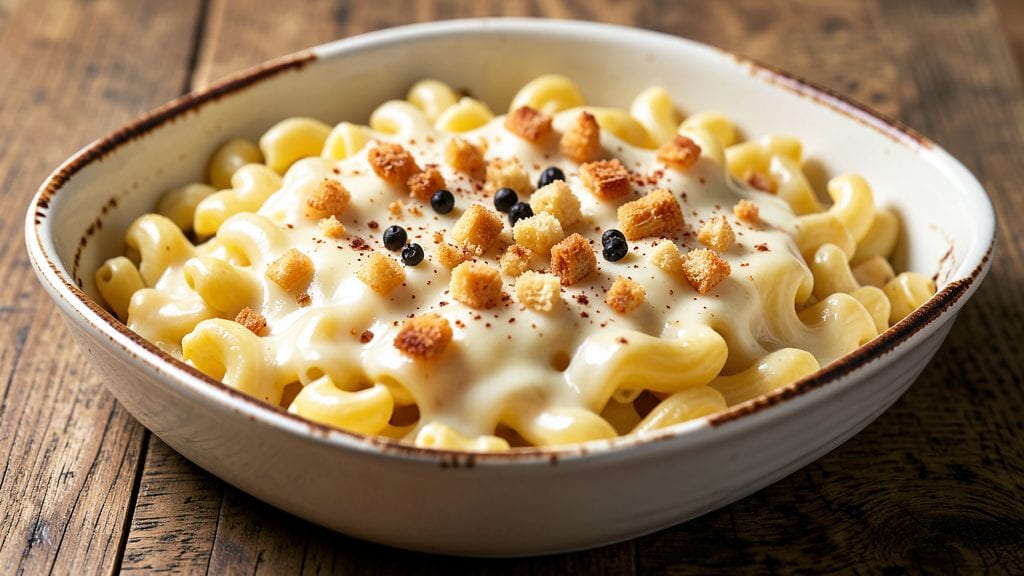
Beecher's macaroni and cheese recipe delivers the ultimate comfort food experience with its signature buttery breadcrumb crown and velvety cheese swirls. This classic dish has been a staple in American homes for generations, and for good reason—it's creamy, indulgent, and impossible to resist.
The secret lies in the perfectly balanced cheese sauce and the crispy, golden breadcrumb topping that creates a textural contrast you won't find anywhere else.
The process begins with a rich, velvety cheese sauce made from a blend of sharp cheddar and cream cheese, creating a smooth, luscious base that coats every strand of elbow macaroni.
A simple breadcrumb mixture of buttered breadcrumbs and melted butter forms the crown, which bakes to a crispy, golden perfection that adds a delightful crunch to each bite. This recipe is designed to be foolproof, ensuring professional results every time you prepare it.
By the time it emerges from the oven, you'll have a dish that's rich, creamy, and topped with a buttery breadcrumb crown that's impossible to resist. The cheese sauce is velvety and smooth, perfectly coating each strand of macaroni, while the breadcrumb topping adds a satisfying crunch.
This is comfort food at its finest, a dish that brings warmth and satisfaction to any table.
The beauty of this recipe is its versatility. While the classic version is pure indulgence, you can easily add cooked ham, chicken, or even steamed broccoli for a heartier meal.
It's perfect for family dinners, holiday gatherings, or even as a comforting meal on a chilly evening. Let's get started on creating this timeless classic in your own kitchen.
Ingredients for beecher's macaroni and cheese
Six ingredients make the creamy sauce, plus five for the golden crown—classic comfort in every bite.
| Ingredient | Amount | Notes |
|---|---|---|
| Elbow Macaroni 🍝 | 12 oz | Dry, uncooked, medium elbow shape |
| Sharp White Cheddar Cheese 🧀 | 2 cups | Shredded, block preferred |
| Cream Cheese 🧈 | 8 oz | Full-fat, room temperature |
| Whole Milk 🥛 | 1 ½ cups | Room temperature, not ultra-pasteurized |
| Unsalted Butter 🧈 | ½ cup | Cold, cubed for sauce |
| All-Purpose Flour 🌾 | ¼ cup | For sauce thickening |
| Freshly Ground Black Pepper 🌶️ | ½ tsp | Freshly cracked preferred |
| Kosher Salt 🧂 | 1 ½ tsp | Adjust to taste |
| Panko Breadcrumbs 🍞 | 1 cup | Japanese style for extra crunch |
| Melted Butter 🧈 | ¼ cup | For breadcrumb crown |
| Garlic Powder 🧄 | ½ tsp | For breadcrumb crown |
| Dried Parsley Flakes 🌿 | ½ tsp | For breadcrumb crown |
The cheddar is non-negotiable—sharp white cheddar from a block gives that signature tang. Kraft Singles won't cut it here, so hit the deli counter or grab a wedge from Whole Foods. The cream cheese needs to be full-fat, not that light stuff. Room temperature is key—cold lumps ruin the sauce. For the macaroni, medium elbow is traditional, but any elbow shape works. Pro tip: Toast the breadcrumbs in a dry pan for 2 minutes before mixing with butter—they'll stay crispier longer.
No sharp cheddar? Pepper jack at half the amount adds a kick, but it changes the flavor. Light cream cheese? Add 2 tbsp sour cream to compensate. Running out of panko? Toasted regular breadcrumbs work, but they won't be as crispy. The milk can be whole or 2%—skim makes the sauce too thin. For extra richness, swap 2 tbsp milk for heavy cream. And if you're feeling fancy, add a pinch of nutmeg to the sauce—trust me, it elevates everything.
This reheats beautifully—just cover with foil and bake at 350°F for 15-20 minutes. Keeps for 4-5 days in the fridge, but honestly, it disappears faster. Freeze portions for up to 3 months—the crown stays crispy if you reheat covered. I always make double batches because leftovers taste even better the next day. The secret? The breadcrumb crown stays crunchy if you bake it separately for the last 2 minutes—worth the extra step.
Why You'll Love This Recipe
- Five-Ingredient Magic: I swear by this combo—sharp cheddar and cream cheese melt into something rich without being heavy, while the whole milk keeps it silky (no grainy texture here). It’s the kind of dish where you taste each ingredient, but it still feels like a hug in a bowl.
- One-Pot Wonder: Honestly, I don’t even preheat the oven for this. Toss the cooked macaroni straight into the butter and cheese sauce, stir once, and it’s ready. No strainers, no extra bowls—just a single pot that does all the work while you sip your coffee.
- Leftover Legend: This stuff begs to be reheated. Cold the next day? Still creamy. Microwaved for lunch? Even better. I keep a container in the fridge for those days when I’d rather not cook—because honestly, who wants to?
- Budget Comfort: Sharp cheddar and cream cheese stretch further than you’d think, and elbow macaroni is the cheapest pasta in the store. It’s my go-to when I need to feed a crowd (or just myself for three days) without breaking the bank. Plus, butter’s the only fancy ingredient.
Step-by-step instructions for Beecher's macaroni and cheese
Here's how to make this creamy, cheesy masterpiece with a crispy breadcrumb crown.
Cook the Elbow Macaroni to Al Dente Perfection
Bring a large pot of heavily salted water to a rolling boil. Add the 12 oz elbow macaroni and cook according to package instructions until al dente—about 10-12 minutes. You want the pasta to have a slight bite when you taste it, as it'll finish cooking in the oven. Drain the pasta in a colander and set aside, reserving 1 cup of pasta water for the sauce. This starchy water helps create a silky sauce.
I like to rinse the pasta briefly under cold water to stop the cooking process immediately. This prevents the noodles from becoming mushy when mixed with the cheese sauce later. Shake off any excess water and transfer the pasta to a large mixing bowl.
Prepare the Creamy Cheese Sauce
In a separate saucepan, melt the 0.5 cup unsalted butter over medium heat. Once melted, reduce the heat to low and whisk in the 0.25 cup all-purpose flour to create a roux. Cook for 1-2 minutes until the mixture becomes bubbly and slightly thickened. This step is crucial for creating the velvety texture of the sauce.
Gradually whisk in the 1.5 cups whole milk over 2-3 minutes, ensuring the mixture doesn't form lumps. Once fully incorporated, reduce the heat to low and stir in the 2 cups sharp white cheddar cheese and 8 oz cream cheese. The cheese should melt completely, creating a smooth, creamy sauce. Season with 1.5 tsp kosher salt and 0.5 tsp freshly ground black pepper. If the sauce is too thick, add a splash of reserved pasta water to reach your desired consistency.
Combine Pasta and Cheese Sauce
Pour the creamy cheese sauce over the cooked elbow macaroni in the mixing bowl. Using a spatula or wooden spoon, gently fold the pasta and sauce together until fully coated and creamy. This step is where the magic happens—the sauce should cling to every noodle, creating that signature velvety texture. If the mixture feels too thick, add more reserved pasta water, 1 tablespoon at a time, until it reaches a smooth, spoonable consistency.
Transfer the pasta mixture to a greased 9x13-inch baking dish and spread it evenly. The goal is to create a smooth, even layer that will bake uniformly. I like to use a spatula to press the pasta gently into the dish, ensuring there are no air pockets or dry spots.
Create the Buttery Breadcrumb Crown
In a small bowl, combine the 1 cup panko breadcrumbs, 0.5 tsp garlic powder, and 0.5 tsp dried parsley flakes. Melt the 0.25 cup unsalted butter in the microwave or on the stovetop, then pour it over the breadcrumb mixture. Stir until the breadcrumbs are evenly coated and slightly clumped together. This mixture will create the crispy, buttery crown that tops the macaroni and cheese.
Sprinkle the buttery breadcrumb mixture evenly over the top of the pasta in the baking dish, pressing down gently to ensure it sticks. The breadcrumbs should cover the entire surface, creating a golden, crispy layer once baked. This step is what sets Beecher's macaroni and cheese apart from the rest—it adds texture and flavor that complements the creamy sauce perfectly.
Bake to Golden, Bubbly Perfection
Preheat your oven to 375°F. Place the baking dish on the middle rack and bake for 25-30 minutes until the top is golden brown and the edges are bubbling. The cheese sauce should be fully melted and creamy, with a slight pull when you wiggle the dish. If the top isn't browning enough, broil for 1-2 minutes at the end, keeping a close eye to avoid burning.
Once baked, let the macaroni and cheese rest for 5-10 minutes before serving. This resting time allows the cheese to set slightly, making it easier to slice and serve. Serve warm with a side of steamed vegetables or a simple green salad. The contrast of the crispy breadcrumb crown and the creamy, cheesy pasta is what makes this dish truly special.
Pro Tips For Making Beecher'S Macaroni And Cheese
- Cook the pasta al dente: DESCRIPTION: Beecher’s recipe calls for elbow macaroni, but don’t overcook it—pull it out when it’s still slightly firm. The cheese sauce will finish the cooking, and mushy pasta ruins everything. I learned this the hard way after making a sloppy mess that needed extra starch to fix.
- Grate the cheddar fresh: DESCRIPTION: Pre-shredded cheese has anti-caking agents that make the sauce grainy. Use a box grater or food processor for sharp white cheddar—it melts smoother and tastes fresher. Skip the shortcut here; your sauce will thank you.
- Melt butter low and slow: DESCRIPTION: The recipe wants butter melted into the milk first, but rushing it causes the sauce to break. Heat the milk-butter mix on medium-low until the butter’s fully incorporated—no bubbles, no burning. I was skeptical until I tried it; the sauce stays silky.
- Stir in cream cheese last: DESCRIPTION: Add the cream cheese off the heat to avoid clumping. Let the cheddar-milk mix thicken first, then whisk in the cream cheese until fully dissolved. This keeps the texture creamy, not lumpy. (Yes, even if you’re impatient like me.)
Common mistakes when making this dish
Overcooking the Pasta
Al dente is everything—overcooked macaroni turns mushy and absorbs too much cheese sauce, making the final dish watery. I’ve ruined more batches than I’ll admit by ignoring the 10-12 minute cook time.
Test a piece by tasting it straight from the pot—it should have a slight bite. If it’s soft, your dish will be a sad, soupy mess. 🍝
Skipping the Roux
Many recipes skip the butter-flour roux, but this is where the sauce’s velvety texture comes from. Without it, your cheese sauce will be thin and grainy. Whisk the 0.25 cup flour into melted butter for 1-2 minutes until bubbly—this creates the foundation for a silky sauce.
I once made this without a roux and ended up with a sauce that resembled cottage cheese. Not ideal.
Using Pre-Shredded Cheese
Pre-shredded cheese contains anti-caking agents that make it impossible to achieve that ultra-smooth, velvety texture. The sharp white cheddar should be freshly grated—block cheese is best because it melts more evenly.
If you’re in a pinch, use Kraft Singles, but expect a slightly grainier result. The difference is night and day when it comes to that restaurant-quality finish. 🧀
Neglecting the Breadcrumb Crown
The breadcrumb topping isn’t just decoration—it’s the star of the show. Skimping on butter or using stale breadcrumbs results in a sad, flat topping that falls apart. Toast the panko in a dry pan for 2 minutes before mixing with butter to lock in crispiness.
Press it gently into the pasta so it sticks and bakes into a golden, buttery crust. I’ve seen people skip this step and miss out on the best part of the dish entirely.
Baking at the Wrong Temperature
Too low, and your mac and cheese will be undercooked and soggy. Too high, and the breadcrumb crown burns before the cheese melts. 375°F is the sweet spot—it ensures a creamy center with a perfectly crispy top. If your oven runs hot, reduce to 350°F and watch closely.
I’ve had to pull dishes out of the oven early because the crown turned to charcoal while the center stayed cold. A meat thermometer helps—aim for 165°F internal temperature.
Not Resting Before Serving
Serving mac and cheese immediately after baking means a runny, messy dish. The cheese needs 5-10 minutes to set slightly so it holds its shape when sliced. This also lets the breadcrumb crown firm up for that satisfying crunch.
I’ve seen people cut into it too soon and end up with a gooey disaster. Patience pays off here—trust the process! 💪
Nutrition facts
Frequently asked questions
Why does Beecher's mac and cheese have a breadcrumb topping?
The breadcrumb crown isn't just decoration—it creates the signature textural contrast that makes this dish legendary. The crispy, buttery topping balances the creamy cheese sauce, adding a satisfying crunch with every bite. This technique dates back to the original recipe's goal of creating a restaurant-quality finish at home.
Can I make this recipe vegetarian?
Simply omit any meat add-ins and use vegetable broth instead of milk if you prefer. The classic recipe remains vegetarian-friendly as written—just ensure your cheddar is dairy-free if needed. For extra flavor, stir in sautéed mushrooms or spinach into the cheese sauce before baking.
How do I prevent the breadcrumb topping from getting soggy?
Toast the panko breadcrumbs in a dry pan for 2 minutes before mixing with butter to remove moisture. Press the topping gently into the pasta so it makes direct contact with the cheese sauce. Bake at 375°F for 25-30 minutes—the longer bake time helps crisp the topping while keeping the center creamy.
What's the secret to ultra-creamy cheese sauce?
The roux (butter and flour cooked together) is non-negotiable—it creates the velvety base. Use sharp white cheddar (block, not pre-shredded) and full-fat cream cheese for richness. Keep heat low when melting cheeses to prevent graininess. A splash of reserved pasta water helps adjust consistency without thinning the sauce.
Can I make this ahead of time?
Yes! Assemble the dish up to 24 hours ahead and refrigerate uncovered. The next day, bake covered with foil at 350°F for 30-40 minutes until bubbly. For freezing, bake first, then cool completely before wrapping tightly. Reheat covered at 350°F for 20-30 minutes—the breadcrumb crown stays crispy when reheated properly.