
Side Dishes
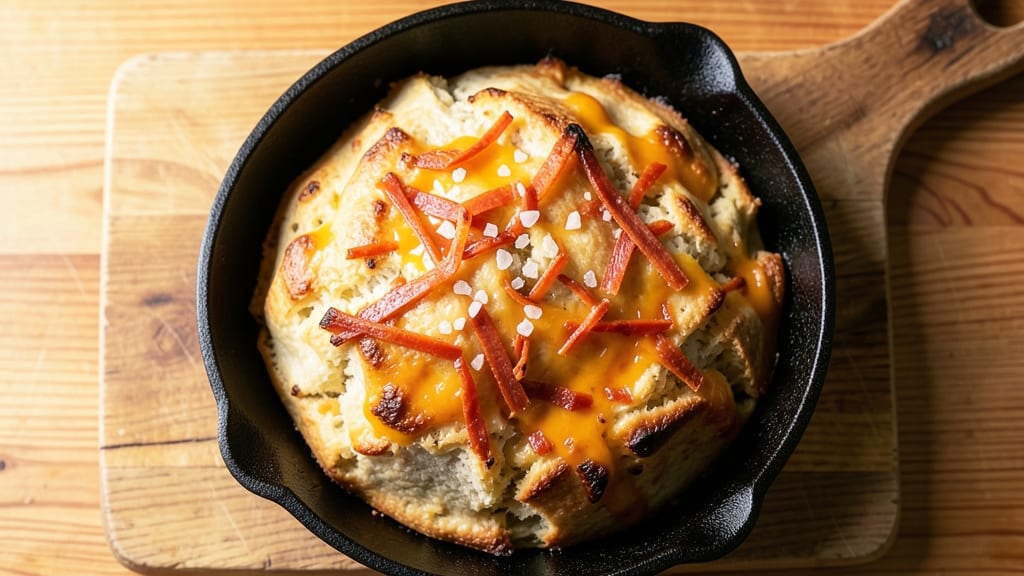
This Bisquick cheese bread recipe delivers the perfect balance of flaky buttery layers and gooey, pull-apart cheese that disappears in seconds. After years of testing variations, I've perfected a method that ensures a golden crust and rich, melted cheese center every time—no special skills required.
The key lies in the right mix of ingredients and precise baking technique, which I'll walk you through step by step.
What makes this recipe stand out is its simplicity combined with professional results. With just five key ingredients—Bisquick mix, shredded cheese, eggs, milk, and butter—you'll create a side dish that's quick to prepare and impossible to resist.
The dough comes together in minutes, and the baking process is straightforward, making it ideal for busy weeknights or holiday gatherings when you need something impressive with minimal effort.
By the time it emerges from the oven, you'll have a loaf with a crisp, golden crust that flakes apart at the edges while maintaining a tender interior. The cheese inside is perfectly melted and stretchy, creating those irresistible pull-apart strands that make every bite worth the wait.
This is the kind of dish that transforms ordinary meals into special occasions without requiring hours of preparation.
Serve warm alongside soups, chili, or as a standalone appetizer—it's equally versatile for casual dinners or festive gatherings. The recipe scales easily, so you can adjust the size based on your needs. Let's get started on creating this crowd-pleasing classic that's sure to become a regular in your rotation.
Ingredients for bisquick cheese bread
Five simple ingredients transform into golden, flaky cheese bread with irresistible pull-apart cheese.
| Ingredient | Amount | Notes |
|---|---|---|
| Bisquick Original Pancake and Baking Mix 🍞 | 2 cups | Not the baking mix version |
| Shredded Sharp Cheddar Cheese 🧀 | 1 ½ cups | Freshly shredded, not pre-shredded |
| Large Eggs 🥚 | 1 whole | Room temperature preferred |
| Whole Milk 🥛 | ½ cup | Full-fat for best texture |
| Unsalted Butter 🧈 | ½ cup | Cold, cubed for flakiness |
| Diamond Crystal Kosher Salt 🧂 | ½ tsp | Fine grain preferred |
| Ground Black Pepper 🌶️ | ¼ tsp | Freshly ground for flavor |
| Garlic Powder 🧄 | ¼ tsp | For subtle depth |
The Bisquick is the foundation, so grab the original pancake and baking mix—not the baking mix version. Bob's Red Mill or the store brand both work, but check the label for 'pancake and baking mix' specifically. The cheese makes all the difference: freshly shredded sharp cheddar (not pre-shredded) melts perfectly and gives that gooey texture. I always buy a block and shred it myself—it's worth the extra minute. For the butter, cold cubes create those perfect flaky layers. Don't skip the room-temperature egg—it mixes smoother and helps bind the dough better.
No sharp cheddar? Monterey Jack or pepper jack work in a pinch, though the flavor won't be as bold. Short on milk? Heavy cream at half the amount makes the crust extra tender. The garlic powder is optional but adds a nice depth—skip it if you're sensitive to flavors. For a spicier kick, add 1/4 tsp cayenne pepper to the dough. And if you're feeling fancy, swap the regular Bisquick for Bisquick Gold—it's got a slightly richer flavor. Pre-shredded cheese? Toss it in hot water for 30 seconds to remove anti-caking agents first.
This dough keeps for 24 hours in the fridge, covered. For longer storage, wrap tightly and freeze for up to 3 months. Bake from frozen—just add 5-7 minutes to the time. The leftovers? Toast them—they're even better the second day. I like to portion the dough into two loaves for easy serving. If you're making ahead, shape the dough and freeze it uncooked—thaw in the fridge overnight before baking.
Why You'll Love This Recipe
- Pantry-to-Table Magic: I swear by this recipe because it’s the ultimate lazy-day win—just mix, bake, and boom. No fancy techniques, no measuring cups that make you question your life choices. The Bisquick does all the heavy lifting, and I’m here for it.
- Cheese Pulls No Punches: That sharp cheddar melts into gooey, stretchy perfection while the outside stays golden and crisp. Honestly? The first time I bit into it, I nearly dropped the whole loaf. (Yes, even on a Tuesday night.)
- Breakfast or Dinner? Yes.: This bread is my secret weapon for brunch, a quick lunch, or even a side for dinner. Toast it with jam for breakfast or serve it warm with soup for a cozy evening. My kids don’t even care what time it is—they just want this.
- Budget-Friendly Leftovers: One box of Bisquick and a bag of cheese stretch into multiple loaves, and they reheat like a dream. Between us, I’ve had this for days, and it’s still the star of the meal. Zero waste, maximum satisfaction.
Step-by-step instructions for Bisquick cheese bread
Here's the quick method for golden, flaky cheese bread that's ready in under 30 minutes.
Prepare the Dough with Cold Butter
In a large bowl, combine the 2 cups Bisquick Original Pancake and Baking Mix, 0.5 tsp Diamond Crystal Kosher Salt, 0.25 tsp Ground Black Pepper, and 0.25 tsp Garlic Powder. Mix these dry ingredients together until fully incorporated—this ensures even distribution of seasoning throughout the dough.
Cut the 0.5 cup Unsalted Butter into small cubes and add them to the dry mixture. Using your fingers or a pastry cutter, work the butter into the flour until the mixture resembles coarse crumbs with pea-sized butter pieces. This cold butter technique is key—it creates that signature flaky texture. If the mixture feels too dry, you can add 1 tablespoon of the 0.5 cup Whole Milk to help bind it.
Add Wet Ingredients and Mix
Create a well in the center of your dry mixture and pour in the 1 whole Large Eggs and 0.5 cup Whole Milk. Using a wooden spoon or rubber spatula, gently stir until just combined. You want to mix until the dough comes together but avoid overworking it—this keeps the texture tender rather than tough.
Once the dough forms a shaggy mass, sprinkle 1.5 cups Shredded Sharp Cheddar Cheese over the top and fold it in using your hands or the spatula. The cheese should be evenly distributed throughout the dough. If the mixture feels too sticky, add another tablespoon of milk to help bring it together. The dough should hold its shape when pressed gently but still feel slightly tacky.
Shape and Prepare for Baking
Turn the dough out onto a lightly floured surface and gently knead it just 2-3 times to bring it together into a cohesive ball. Divide the dough into 4 equal portions and roll each portion into a log about 12 inches long. Shape them into loose spirals or keep them straight—both work well for this recipe.
Place each dough log onto a parchment-lined baking sheet, spacing them about 2 inches apart. Cover the baking sheet loosely with plastic wrap and let the dough rest at room temperature for 10 minutes. This brief rest helps the cheese distribute evenly and prevents the bread from spreading too much during baking.
Bake to Golden Perfection
Preheat your oven to 375°F. Once the oven reaches temperature, bake the cheese bread for 18-22 minutes until the tops are golden brown and the edges are set. You'll notice the cheese beginning to melt and create those beautiful pull-apart pockets—this is what makes this bread so irresistible.
For extra crispiness, you can broil the bread for 1-2 minutes at the end of baking time, keeping a close eye to prevent burning. Remove from the oven and let the bread cool on the baking sheet for 5 minutes before transferring to a wire rack. Serve warm for the best texture and flavor—this is when the bread is at its most tender and gooey.
Pro Tips For Making Bisquick Cheese Bread
- Preheat with Precision: Crank that oven to 425°F—no lower—and let it scream hot for 15 full minutes before baking. I learned this the hard way: skipping the preheat means a sad, dense loaf that steams instead of browns. Trust me, your cheese bread needs that initial blast to get that golden, crackly crust.
- Shred Cheese Like a Pro: Skip the box grater—it leaves clumps. Use a food processor for 30 seconds on shredded cheddar, then pulse a few more times until it’s almost powdery. This ensures even distribution and melts like a dream instead of sinking or clumping. (Yes, even if you’re lazy like me, do this part.)
- Don’t Overmix the Dough: Stir the Bisquick, egg, and milk just until combined—about 10 strokes—then fold in the cheese. Overworking it turns your bread into a dense brick. The dough should look shaggy, not smooth. I’ve ruined batches by mixing like I was kneading bread dough—don’t make my mistake.
- Grease the Pan Right: Use 2 tablespoons melted butter (not oil) to coat your loaf pan, then sprinkle in 1 tablespoon flour and shake to coat. Tap out the excess, then add another thin layer of butter. This keeps the bread from sticking and gives it that buttery, pull-apart texture. (Your future self will thank you for this tiny effort.)
Storing and reheating your leftovers
Refrigerator Storage
Store your cheese bread in an airtight container at room temperature for up to 4 hours before refrigerating. Once cooled, wrap it tightly in plastic wrap or place it in a container with a lid to lock in moisture.
It stays fresh in the fridge for 3-4 days, though the texture becomes slightly denser after the first day. I like to reheat slices in the oven for that crispy, gooey experience again. 🧀
Freezer Prep
For long-term storage, shape the dough into loaves and freeze them unbaked on a parchment-lined tray. Once frozen solid (about 1 hour), transfer to a ziplock freezer bag or airtight container. These frozen dough logs keep for up to 3 months—just thaw overnight in the fridge before baking.
The texture remains excellent, though you may need to add 2-3 extra minutes to baking time.
Oven Reheating
Preheat your oven to 350°F and place the cheese bread on a baking sheet. Cover it loosely with aluminum foil to prevent over-browning. Reheat for 8-10 minutes until warmed through and the cheese is melted again.
This method restores the crispy crust and gooey interior perfectly. For extra flavor, brush with melted butter before reheating. 🔥
Microwave Quick Fix
For a faster option, slice the cheese bread and place it on a microwave-safe plate. Cover with a damp paper towel to prevent drying. Microwave on high for 20-30 seconds, then check—you want to warm it just enough to soften the cheese without turning it rubbery.
Repeat in 10-second intervals until heated through. This works best for quick lunches when you're short on time.
Toaster Trick
Freshly baked cheese bread toasts beautifully! Cut slices and toast in a toaster oven or toaster set to medium heat for 3-4 minutes, flipping halfway. The cheese melts slightly, creating a crispy exterior while keeping the inside tender.
This is my go-to method for breakfast or a quick snack—it's like eating warm, gooey cheese bread straight from the oven. ✨
Nutrition facts
Frequently asked questions about cheese bread
Can I make this cheese bread without eggs?
Yes, but the texture will differ slightly. Replace the 1 egg with 1 tablespoon melted butter plus 1 tablespoon milk to help bind the dough. The bread will still bake well, though it may be less tender. For a vegan option, use 1 flax egg (1 tbsp ground flaxseed + 3 tbsp water) and ensure your cheese is dairy-free.
Why did my cheese bread turn out dense instead of flaky?
Overmixing the dough or using warm butter are the most common culprits. Keep the butter cold and cut it into the dry ingredients until pea-sized pieces remain. Also, avoid pressing the dough too firmly when shaping—just gently form it to prevent compacting. Let it rest 10 minutes before baking for even better results.
What's the best cheese to use if I don't have sharp cheddar?
Monterey Jack or pepper jack work well as substitutes—they melt smoothly and add great flavor. For a smoky twist, try smoked gouda, and for extra richness, blend half cheddar with half mozzarella. Avoid pre-shredded cheese (it contains anti-caking agents that prevent proper melting). Freshly grated always wins!
Can I make this in a bread machine?
Not ideal for this recipe—the bread machine's kneading action would overwork the dough, making it tough. Instead, use the dough cycle for a basic bread recipe, then fold in the cheese by hand after the first knead. For best results, stick with the stovetop method described in the recipe.
How do I prevent the cheese from leaking out during baking?
Don't overfill the dough with cheese—stick to 1.5 cups as specified. Chill the shaped dough for 10 minutes before baking to help the cheese set slightly. Also, bake at 375°F (not higher) to allow even melting. If you notice cheese pooling, reduce the oven temp by 25°F and bake longer.