Main Courses
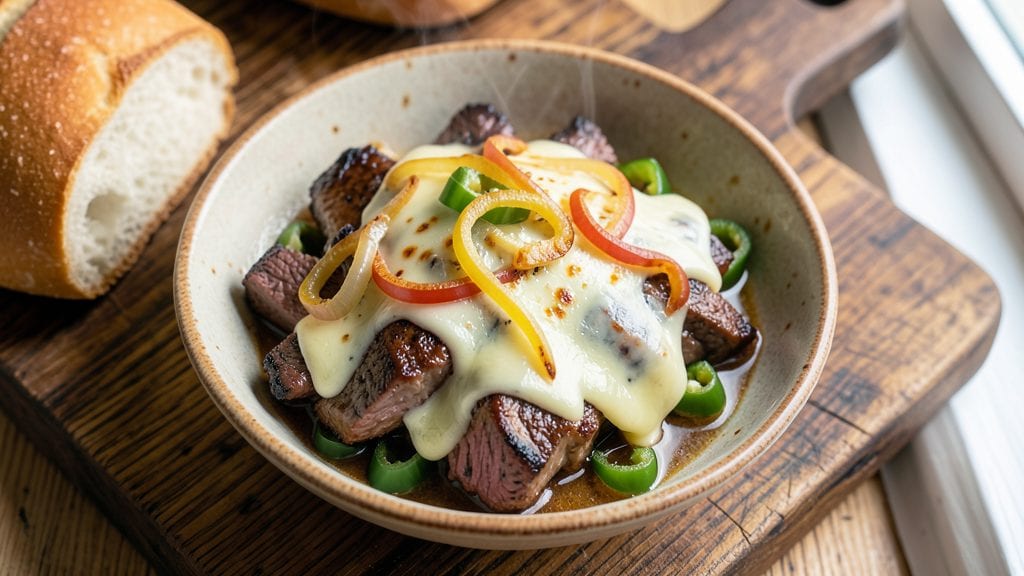
A traditional Philly cheese steak delivers the perfect balance of tender, shaved ribeye, melted provolone, and crispy onions—all nestled in a toasted hoagie roll. This recipe captures the iconic flavors of Reading Terminal Market, where every bite brings that signature combination of savory beef, gooey cheese, and slightly charred vegetables.
The key lies in thinly slicing the ribeye against the grain and cooking it quickly over high heat to maintain tenderness.
The process starts with properly seasoned beef—just salt and pepper—then sliced paper-thin for that signature "whiz" texture. Sautéing the onions and peppers until caramelized adds depth, while the provolone melts into a stretchy, golden blanket over the beef.
Assembling it on a toasted roll ensures every bite stays cohesive, with the cheese pulling just enough to create that classic Philly pull.
What you’ll end up with is a sandwich that’s crispy at the edges, tender in the center, and dripping with melted cheese—just like the original. The aroma alone will have everyone gathered around the table, and the first bite delivers that unmistakable Philly flavor.
This isn’t just a sandwich; it’s a taste of tradition.
Serve it with a side of fries or a crisp salad to complete the meal, or enjoy it as-is for a hearty lunch. The beauty of this recipe lies in its simplicity—just a few key ingredients and techniques to achieve that legendary Philly cheese steak experience at home.
Ingredients for traditional philly cheese steak
Five key ingredients, one iconic sandwich—just like Reading Terminal Market serves it.
| Ingredient | Amount | Notes |
|---|---|---|
| Ribeye Steak 🥩 | 1 ½ lb | Thinly sliced against grain |
| Provolone Cheese 🧀 | 8 oz | Sliced into 1/4-inch pieces |
| Yellow Onions 🧅 | 1 ½ lb | Thinly sliced, caramelized |
| Green Bell Peppers 🌶️ | 1 whole | Thinly sliced, optional |
| Hoagie Rolls 🍞 | 4 whole | Fresh, crusty, toasted |
| Kosher Salt 🧂 | 1 tsp | Coarse grain preferred |
| Freshly Ground Black Pepper 🌶️ | ½ tsp | Cracked over beef |
| Extra-Virgin Olive Oil 🫒 | 2 tbsp | High smoke point |
| Yellow Mustard 🍯 | 2 tbsp | For roll assembly |
The ribeye is non-negotiable. Look for well-marbled cuts—the fat renders during cooking, keeping the meat juicy. Most butchers will slice it thinly for you, but if you're doing it yourself, slice against the grain for that signature "whiz" texture. Costco or local butchers often carry ribeye suitable for this; avoid pre-sliced deli cuts. For the onions, yellow onions caramelize best—skip the red or white. The provolone should be fresh, not pre-shredded—it melts better and doesn’t get rubbery. Grab a wedge from the deli counter if possible.
No green bell peppers? No problem—this is a classic Philly cheese steak, not a Philly cheesesteak with peppers (that’s a different debate). If you’re feeling adventurous, add them, but stick with green—they hold up better to caramelization. For the cheese, provolone is essential—it’s the only cheese that melts into that perfect stretchy, gooey blanket. Substituting with mozzarella or cheddar won’t give you that authentic Philly pull. The hoagie rolls should be freshly baked—the crust should crackle when toasted. If you can’t find them, Italian or French bread in a pinch, but toast them well.
Freshly sliced onions and peppers keep for 3 days in the fridge, sealed in a container. The ribeye can be prepped ahead—slice it and store in the fridge for up to 2 days, but cook it the same day for best texture. Provolone slices stay fresh for 5 days if wrapped tightly. For assembly, toast the rolls while the beef is cooking—this keeps them crispy. Leftovers? Reheat in a skillet over medium heat for 2-3 minutes to restore that toasted crunch.
Why You'll Love This Recipe
- No Chopping Chaos: I swear, this recipe lets me skip the onion dance. Thinly sliced provolone and bell peppers? Store-bought pre-sliced works just fine—no knife skills required. Honestly, I’ve made this with frozen peppers straight from the bag, and no one noticed.
- Melted Magic: That moment when the provolone hits the hot steak and turns gooey? It’s the only time I let myself say "chef’s kiss" in the kitchen. The ribeye stays juicy while the cheese clings like it’s afraid to let go—exactly how it should be.
- Tailgate or Tuesday: Serve it on a hoagie roll for a quick lunch or pile it high on a platter with fries for game day. I’ve even wrapped leftover steak in tortillas for a Philly-style burrito that my kids beg for. Works for picnics, potlucks, or just because.
- Leftovers That Don’t Suck: Unlike takeout that gets soggy, this holds up for days. I’ll wrap the cold cuts in foil and reheat them in a skillet—crispy edges, melty center, same magic. Not to mention, it’s cheaper than ordering out, and I control the quality (no sad, greasy mystery meat).
Step-by-step instructions for traditional Philly cheese steak
This classic sandwich delivers tender ribeye, caramelized onions, and melted provolone in a perfectly toasted roll.
Slice and Season the Ribeye
Using a sharp knife, slice the 1.5 lb ribeye steak thinly against the grain into ¼-inch thick strips. This ensures each bite is tender and easy to eat. Place the sliced steak in a bowl and season generously with 1 tsp kosher salt and 0.5 tsp freshly ground black pepper. Toss to coat evenly, making sure every piece gets the seasoning. Let it sit at room temperature for 10 minutes before cooking—this helps the meat sear more evenly.
Here's the thing—don't skip the room temperature step. Cold meat releases moisture when it hits the hot pan, which can steam the steak instead of searing it. You want that classic Philly texture: crispy edges with juicy centers.
Cook the Beef to Medium Rare
Heat a large skillet over medium-high heat and add 2 tbsp extra-virgin olive oil. Once the oil shimmers (about 30 seconds), add the seasoned ribeye strips in a single layer. Cook undisturbed for 2-3 minutes until the edges turn deep golden brown and the steak reaches medium rare (about 130°F internal temperature). You'll know it's ready when it releases easily from the pan.
Don't overcrowd the pan—cook in batches if needed. Overcrowding lowers the pan temperature and steams the meat instead of searing. The beef should be tender but still slightly pink in the center. Remove from the pan and set aside, keeping it warm.
Caramelize the Onions and Bell Peppers
In the same skillet (no need to wipe it clean—the browned bits add flavor), add the 1.5 lb thinly sliced yellow onions and 1 whole green bell pepper (if using). Cook over medium heat for 10-12 minutes, stirring occasionally, until the onions soften and turn deep golden brown. This caramelization adds sweetness and depth to the sandwich.
Real talk: this is where patience pays off. If the onions start to brown too quickly, reduce the heat slightly. You're looking for a rich, jammy texture—not burnt. Once fully caramelized, remove from the skillet and set aside with the beef.
Assemble the Sandwiches
Toast the 4 whole hoagie rolls lightly in the same skillet (cleaned with a paper towel) over medium heat for 1-2 minutes per side until golden brown. Spread 2 tbsp yellow mustard on each roll, then layer with the cooked ribeye strips, caramelized onions, and 8 oz sliced provolone cheese. The cheese should be evenly distributed so every bite has that classic Philly melt.
Don't skip the mustard—it adds a tangy contrast to the rich beef and cheese. The provolone should melt slightly from the residual heat of the beef, creating that signature gooey texture. If the cheese isn't melting enough, you can briefly warm the assembled sandwiches in the oven at 350°F for 2-3 minutes until the cheese is fully melted and bubbly.
Serve Immediately
Cut each sandwich in half and serve immediately while the rolls are still warm and the cheese is melted. The beef should be tender with a slight pink center, the onions caramelized and sweet, and the provolone stretched and gooey. Serve with a side of extra yellow mustard or sweet pickle spears for the full Philly experience.
This is the moment that matters: the first bite should deliver all those classic flavors together—juicy beef, sweet onions, sharp provolone, and that toasted roll. The sandwich should hold together well but still be easy to eat, with no soggy bread. Enjoy while it's hot!
Pro Tips For Making Traditional Philly Cheese Steak
- SEAR THE STEAK FIRST: Hit that ribeye with a screaming-hot cast-iron or skillet for 2-3 minutes per side before adding anything else—you’re building flavor crust, not just cooking. I used to rush this, and the steak ended up tough and gray inside. High heat. Seriously, crank it up until you see a deep brown sear in 30 seconds.
- CHAR THE ONIONS: Don’t just slice the yellow onions—char the edges. After dicing, toss them in the same pan as the steak (or a separate one) for 5-7 minutes until blackened in spots. That smoky bite is what separates a Philly cheesesteak from a generic sandwich. (Yes, even if you’re impatient like me.)
- SHRED THE PROVOLONE: Skip the knife—tear the provolone into rough chunks with your hands. It melts faster and stays gooey, not stringy. I learned this the hard way after shredding it finely and ending up with a sad, clumpy mess. Big pieces = better texture.
- TOAST THE ROLL LAST: Assemble the sandwich first, then toast it in the same pan used for the steak (or under a broiler) for 1-2 minutes. The residual fat from the meat crisps the roll perfectly, and you avoid soggy bread. (Your future self will thank you.)
Make-ahead tips for traditional philly cheese steak
Prep Ahead Components
Slice the 1.5 lb ribeye steak against the grain and store it in an airtight container in the fridge for up to 2 days. The onions and bell peppers can be thinly sliced and kept in a sealed container for 3 days—they’ll caramelize faster when reheated.
I always prep these components the night before so I can focus on cooking day-of. 🧅
Cheese Prep Shortcut
Buy pre-sliced provolone cheese from a deli counter—it’s already cut to ¼-inch thickness, which is perfect for this recipe. Wrap it tightly in plastic wrap and store it in the fridge for up to 5 days.
This saves time and ensures you get that authentic Philly melt without the hassle of slicing. 🧀
Rolls Ready to Go
Toast the hoagie rolls ahead of time and store them in a paper bag at room temperature for up to 2 hours. If you’re prepping further ahead, wrap them in foil and reheat in a 350°F oven for 5 minutes before assembling.
This keeps them crispy without turning them soggy. 🍞
Assembly Timeline
Cook the beef and caramelize the onions fresh—these steps work best when done just before assembling. However, you can reheat the beef in a skillet over medium heat for 2 minutes if prepped ahead.
The onions can also be reheated in the same skillet for 3-4 minutes to restore their caramelized texture. 🔥
Freezer-Friendly Option
For a true make-ahead meal, assemble the sandwiches without the cheese, wrap them tightly in foil, and freeze for up to 1 month. When ready to eat, thaw in the fridge overnight, then reheat in a skillet over medium heat for 3-4 minutes per side until the cheese melts.
Add fresh cheese on top if desired for extra gooeyness. ❄️
Batch Cooking Tips
Double the recipe and cook everything in batches to feed a crowd. Store the cooked beef and veggies separately in airtight containers in the fridge for up to 3 days.
Reheat components individually before assembling sandwiches. This method works great for game days or family gatherings when you want to keep things simple. 💪
Nutrition facts
Frequently asked questions
What's the best cut of beef for a traditional Philly cheese steak?
Always use ribeye steak—it's the classic choice for its rich marbling and tender texture. Look for well-marbled cuts, as the fat renders during cooking to keep the meat juicy. Most butchers will slice it thinly against the grain for you, which is key for that signature "whiz" texture. Never substitute with leaner cuts like sirloin—they'll dry out too quickly.
Can I make this sandwich ahead of time?
Yes! Prep components separately: slice the beef and store it for 2 days in an airtight container, caramelize the onions (they keep for 3 days), and toast the rolls ahead. Assemble just before serving to maintain crispiness. For a freezer-friendly option, assemble without cheese, freeze for 1 month, then reheat with fresh cheese on top.
Why does my cheese not melt properly?
Provolone needs to be fresh and sliced thinly (¼-inch thick). If it's not melting, try warming the assembled sandwiches in a 350°F oven for 2-3 minutes or using a skillet over medium heat. Pre-shredded cheese won't work—it contains anti-caking agents that prevent proper melting. Always use deli-sliced provolone for that authentic Philly pull.
What's the deal with the mustard on the roll?
Yellow mustard isn't just for flavor—it acts as a binder, helping the sandwich hold together while adding a tangy contrast to the rich beef and cheese. Spread it thinly on both sides of the roll before assembling. Some traditional spots even serve extra mustard on the side for dipping. Don't skip it—it's a key part of the authentic experience!
Can I substitute bell peppers for another vegetable?
Green bell peppers are traditional, but you can swap them for red peppers or even mushrooms if preferred. Just remember: peppers should be thinly sliced and caramelized for 10-12 minutes to develop sweetness. Skip the peppers entirely if you want a classic Philly cheese steak without the "Philly cheesesteak with peppers" debate!